

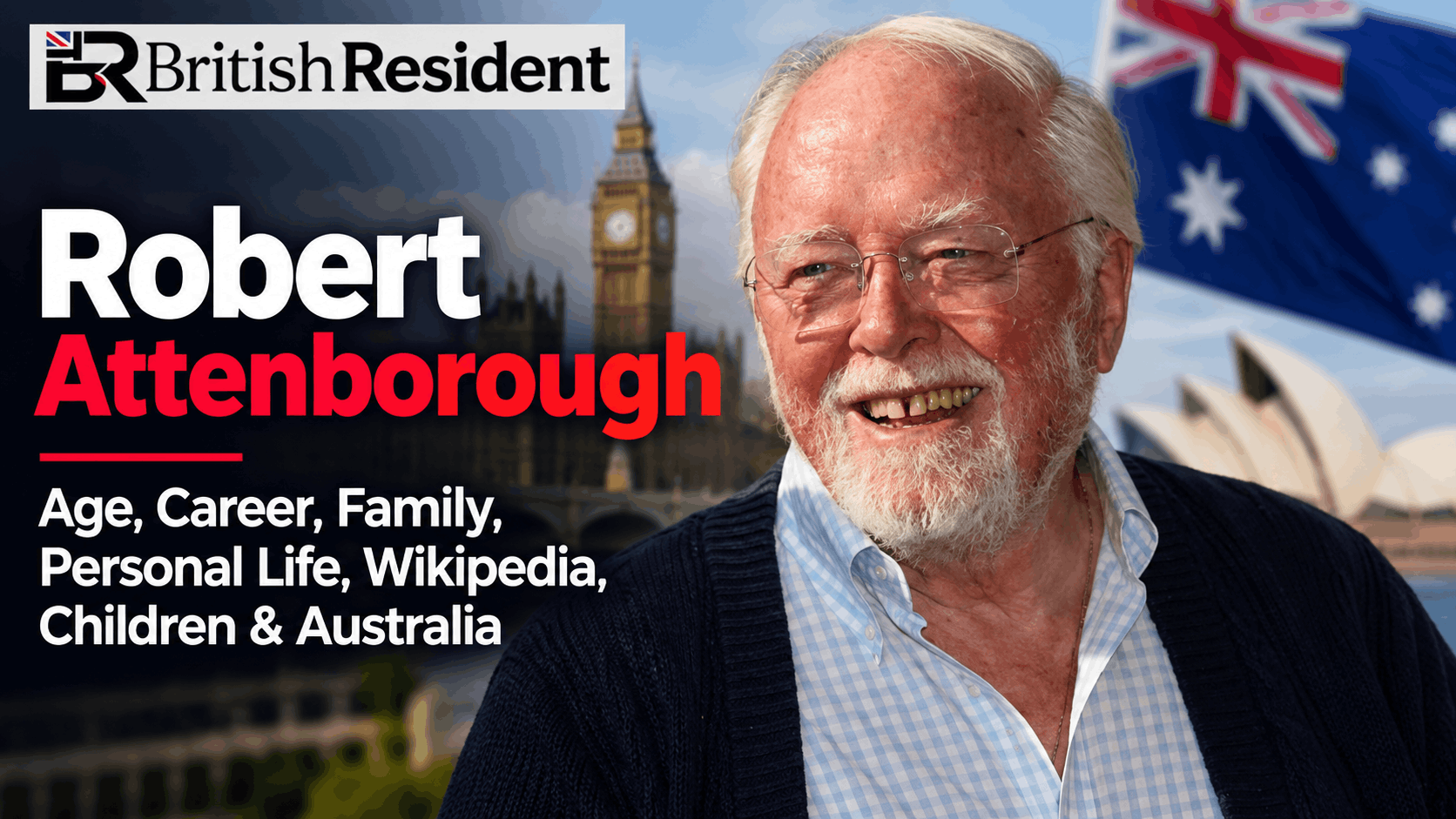
Robert Attenborough is a British bioanthropologist and academic who has built a respected career in biological anthropology, human population biology, and epidemiology. While many people recognise him as the son of renowned broadcaster Sir David Attenborough, he is known in academic circles for his research and university teaching rather than public life. Throughout his career, Robert Attenborough has been associated with the Australian National University and the University of Cambridge, where he has contributed to research on human demography, nutrition, population genetics, and the peoples of Papua New Guinea. He also gained international attention as a co-author of the Beethoven DNA study, which examined the composer’s hair to investigate his health and ancestry. This biography explores his early life, education, academic career, research contributions, family background, personal life, age, current status, and other verified facts.
Quick Bio
| Attribute | Details |
| Full Name | Dr Robert Attenborough |
| Profession | Bioanthropologist and Academic |
| Known For | Research in Biological Anthropology, Human Population Biology, and the Beethoven DNA Study |
| Birth Year | 1951 |
| Age | 74 years (as of 2026) |
| Birthplace | United Kingdom |
| Nationality | British |
| Current Status | Alive |
| Academic Field | Biological Anthropology |
| Research Interests | Human Population Biology, Epidemiology, Nutrition, Demography, Population Genetics |
| Current Affiliation | Honorary Senior Lecturer, Australian National University |
| Former Academic Role | Senior Lecturer, Australian National University |
| Research Collaboration | University of Cambridge |
| Notable Research | Beethoven DNA Project and population studies in Papua New Guinea |
| Father | Sir David Attenborough |
| Mother | Jane Elizabeth Ebsworth Oriel |
| Sibling | Susan Attenborough |
| Wikipedia Page | No standalone Wikipedia article |
Who Is Robert Attenborough?
Robert Attenborough is a British bioanthropologist and university academic specialising in biological anthropology, human population biology, and epidemiology. His professional work focuses on understanding how genetics, health, nutrition, and environmental factors shape human populations over time. Although he is the son of Sir David Attenborough, Robert Attenborough has established his own career through scientific research and higher education rather than broadcasting or filmmaking.
He has spent many years teaching and conducting research at the Australian National University while also collaborating with the University of Cambridge. His research includes population studies in Papua New Guinea and contributions to the internationally recognised Beethoven DNA Project, making him a respected figure within the academic community.
Early Life and Education
Robert Attenborough was born in 1951 in the United Kingdom and grew up in a family that valued education, science, and learning. Although his father became one of Britain’s most respected natural history broadcasters, Robert chose a different professional path by pursuing academic research in anthropology. His early education laid the foundation for a lifelong interest in human biology and population studies.
He later completed advanced university studies, earning a PhD and developing expertise in biological anthropology, human demography, epidemiology, and population genetics. These academic achievements prepared him for a successful career in teaching, research, and international scientific collaboration.
Childhood and Family Background
Robert Attenborough was raised by Sir David Attenborough and Jane Elizabeth Ebsworth Oriel in the United Kingdom. He grew up alongside his younger sister, Susan Attenborough, in a family known for its appreciation of education and the natural world. Despite his father’s growing public profile, Robert maintained a private lifestyle from an early age.
Unlike other members of the Attenborough family who became well known through broadcasting or filmmaking, he developed a strong interest in science and academic research, choosing to build his career within universities rather than in the media.
University Education and Academic Training
Robert Attenborough pursued higher education in anthropology, where he developed specialised knowledge in biological anthropology and related disciplines. He completed a PhD that strengthened his understanding of human evolution, population biology, epidemiology, and demographic research.
His academic training combined scientific methods with the study of human populations, allowing him to investigate how genetics, health, nutrition, and environmental factors influence communities over time. This strong educational foundation later supported his teaching roles, collaborative research projects, and contributions to internationally recognised scientific studies.
Robert Attenborough Academic Career
Robert Attenborough has built a distinguished academic career through university teaching, scientific research, and international collaboration. His work has centred on biological anthropology and human population studies, with a strong focus on understanding how health, genetics, nutrition, and demography influence communities.
He has held important academic positions at the Australian National University and has also been associated with the University of Cambridge. These roles have enabled him to contribute to teaching, supervise research, and participate in multidisciplinary projects involving researchers from around the world.
Australian National University (ANU)
Robert Attenborough spent many years at the Australian National University (ANU) in Canberra, where he served as a Senior Lecturer in Biological Anthropology. During his tenure, he taught undergraduate and postgraduate students while conducting research in human population biology, epidemiology, nutrition, and demography.
His academic work also included supervising research projects and collaborating with fellow scientists across multiple disciplines. Following his active teaching career, he continued his association with ANU as an Honorary Senior Lecturer, reflecting his ongoing contribution to research and academic development.
University of Cambridge
In addition to his work in Australia, Robert Attenborough has collaborated with the University of Cambridge through its Department of Archaeology. As a Senior Fellow, he has participated in international research projects that combine anthropology, archaeology, genetics, and historical science.
His association with Cambridge has expanded the reach of his research and strengthened partnerships with experts from different fields. These collaborations have supported studies on human populations, ancient DNA, and historical health, reinforcing his reputation as an experienced researcher in biological anthropology.
Research Areas and Scientific Contributions
Robert Attenborough’s research spans several branches of biological anthropology and human population science. His work examines how genetics, health, nutrition, disease, and environmental conditions influence human populations across different regions and historical periods.
Much of his research combines anthropology with epidemiology, demography, archaeology, and population genetics to answer complex questions about human health and development. A significant part of his academic career has focused on communities in Papua New Guinea, while his international collaborations have also contributed to important projects such as the Beethoven DNA study.
Human Population Biology
Human population biology is one of Robert Attenborough’s main areas of expertise. His research investigates how biological and environmental factors shape human populations over time.
He studies patterns of growth, health, reproduction, and genetic diversity to better understand how communities adapt to different living conditions. By analysing population data, he has contributed valuable insights into human variation, population structure, and long-term biological change.
Epidemiology and Nutrition
Robert Attenborough has conducted research on the relationship between health, nutrition, and disease within human populations. His work explores how diet, environmental conditions, and infectious diseases affect individuals and communities.
By combining epidemiology with biological anthropology, he has helped improve understanding of how nutrition influences public health and population wellbeing in both historical and contemporary societies.
Population Genetics
Population genetics forms another important part of Robert Attenborough’s academic research. He examines genetic variation among human populations to understand ancestry, migration, and biological relationships.
His studies use scientific evidence to explore how inherited traits and genetic diversity have changed through time. This research supports broader investigations into human evolution and population history while contributing to multidisciplinary scientific projects.
Human Demography
Robert Attenborough has also made contributions to the study of human demography, which focuses on population size, structure, and change. His research considers factors such as birth rates, mortality, migration, and population growth to explain demographic patterns.
By combining demographic data with biological and environmental evidence, he has provided a deeper understanding of how human populations respond to changing social and ecological conditions.
Papua New Guinea Research
Papua New Guinea has been a major focus of Robert Attenborough’s field research throughout his academic career. He has worked with local communities to study population biology, health, nutrition, and demographic change in diverse cultural settings.
These long-term studies have produced valuable scientific knowledge about human adaptation, genetic diversity, and public health. His research in Papua New Guinea has also supported international collaborations and strengthened the understanding of biological anthropology within one of the world’s most culturally diverse regions.
Robert Attenborough and the Beethoven DNA Project
Robert Attenborough gained wider international recognition through his involvement in the Beethoven DNA Project, a major scientific collaboration that brought together researchers from several countries. The project combined biological anthropology, genetics, archaeology, and medical science to investigate the life and health of the famous composer Ludwig van Beethoven.
As a contributing researcher, Robert Attenborough helped apply scientific methods to historical evidence, demonstrating how interdisciplinary research can answer questions that have remained unresolved for centuries.
International Research Collaboration
The Beethoven DNA Project involved specialists in genetics, anthropology, archaeology, medicine, and history working together across leading universities and research institutions. Robert Attenborough contributed his expertise in biological anthropology and population research as part of this international team.
The collaboration demonstrated how different scientific disciplines can combine evidence to produce reliable conclusions about historical individuals while maintaining high standards of academic research and peer review.
DNA Analysis of Beethoven’s Hair
The research team analysed authenticated strands of Ludwig van Beethoven’s hair using advanced DNA sequencing techniques. These samples provided valuable genetic information that allowed scientists to investigate aspects of the composer’s ancestry and biological history.
By examining carefully verified hair samples, the researchers generated one of the most comprehensive genetic studies ever conducted on a historical figure.
Scientific Findings and Significance
The Beethoven DNA Project provided new insights into the composer’s health and genetic background. The study identified genetic factors linked to an increased risk of liver disease and found evidence of a hepatitis B infection during the final months of Beethoven’s life.
The researchers also concluded that the exact cause of his hearing loss could not be determined from the available genetic evidence. The project highlighted the value of combining genetics, biological anthropology, and historical records to improve understanding of significant historical figures while advancing research methods in ancient DNA science.
Academic Publications and Research Impact
Robert Attenborough has contributed to scientific knowledge through peer-reviewed publications, collaborative research, and university-based studies. His work reflects a long-standing commitment to biological anthropology, human population biology, epidemiology, and demography. Rather than focusing on public recognition, he has built his reputation through evidence-based research and academic collaboration.
His publications have supported a better understanding of human health, genetics, population history, and the interaction between biology and environment. They also demonstrate the importance of interdisciplinary research in addressing complex scientific questions.
Major Publications
Robert Attenborough has authored and co-authored numerous academic papers covering biological anthropology, population biology, nutrition, epidemiology, and human demography. His research has appeared in recognised scientific journals and has explored both contemporary and historical populations.
One of his most widely recognised contributions is his co-authorship of the 2023 Beethoven DNA study, which attracted international attention for its innovative use of genetic analysis to investigate the composer’s health and ancestry.
Research Collaborations
Throughout his academic career, Robert Attenborough has worked with researchers from universities and scientific institutions across Australia, the United Kingdom, and other countries. These collaborations have brought together specialists in anthropology, genetics, archaeology, medicine, and public health.
Working across multiple disciplines has strengthened the quality of his research and allowed complex scientific questions to be examined from several perspectives using reliable evidence and shared expertise.
Scientific Influence
Robert Attenborough’s research has contributed to a broader understanding of human populations, health, and biological diversity. His studies have supported ongoing work in anthropology, epidemiology, and population genetics, particularly through research involving communities in Papua New Guinea and international genetics projects.
Although he maintains a low public profile, his academic contributions continue to inform scientific discussions and provide valuable evidence for researchers studying human evolution, demographic change, and population health.
Robert Attenborough Family
Robert Attenborough comes from one of Britain’s best-known families, but he has chosen a career that is separate from broadcasting and filmmaking. While his father and uncle became internationally recognised figures in the entertainment industry, Robert devoted his professional life to science and higher education.
His immediate family has remained supportive yet largely private, and public information about them is limited. The Attenborough family’s shared appreciation for education, culture, and knowledge provides important context for understanding Robert Attenborough’s background without overshadowing his own academic achievements.
Father: Sir David Attenborough
Robert Attenborough is the elder son of Sir David Attenborough, the renowned British broadcaster, natural historian, and environmental communicator. Sir David has spent more than seven decades producing wildlife documentaries that have inspired audiences around the world.
Although father and son followed different career paths, both have dedicated their lives to expanding knowledge through research, education, and the study of the natural world. Robert’s achievements stand independently within academia while sharing his father’s commitment to scientific understanding.
Mother: Jane Elizabeth Ebsworth Oriel
Robert’s mother, Jane Elizabeth Ebsworth Oriel, married Sir David Attenborough in 1950. She remained largely out of the public eye while supporting her family throughout Sir David’s broadcasting career.
Jane passed away in 1997 after 47 years of marriage. Although little has been publicly documented about her personal life, she played an important role in raising Robert and his younger sister, Susan, during their childhood in the United Kingdom.
Sister: Susan Attenborough
Susan Attenborough is Robert Attenborough’s younger sister. Unlike other members of the extended Attenborough family, she has lived a private life and worked in education as a primary school headmistress in the United Kingdom.
Public attention towards Susan has remained limited, although she has occasionally been mentioned in reports about supporting and spending time with their father in recent years.
Uncle: Richard Attenborough
Robert Attenborough was the nephew of the late Lord Richard Attenborough, the acclaimed British actor, director, and producer. Richard received international recognition for directing award-winning films such as Gandhi and for appearing in Jurassic Park.
While Richard built his legacy in cinema and Sir David became famous for natural history broadcasting, Robert pursued scientific research and university teaching, creating a distinct career within biological anthropology and academic scholarship.
Robert Attenborough Personal Life
Robert Attenborough has deliberately kept his personal life away from public attention throughout his academic career. Unlike many relatives who became well known through broadcasting or filmmaking, he has focused on research, teaching, and scientific collaboration.
As a result, only limited verified information is available about his private life. Public records and official university profiles primarily highlight his academic achievements rather than personal matters. This privacy has allowed him to maintain a career centred on scholarship while avoiding unnecessary media attention.
Is Robert Attenborough Married?
There is no verified public information confirming whether Robert Attenborough is married. He has never publicly discussed his marital status in interviews or official biographies, and respected academic institutions do not provide details about his family life.
Because he values privacy, it is important to rely only on verified information rather than speculation or unconfirmed reports.
Does Robert Attenborough Have Children?
No reliable public sources confirm whether Robert Attenborough has children. Unlike his father, whose public career has attracted significant media attention, Robert has chosen to keep his personal and family life private.
Official university profiles and academic publications focus entirely on his research, teaching, and scientific contributions rather than personal relationships.
Private Lifestyle
Robert Attenborough is known for maintaining a quiet and professional lifestyle focused on academia. Most of his public profile comes from his work in biological anthropology, population biology, and collaborative scientific research.
He rarely appears in the media or public events outside academic settings. This low-profile approach has enabled him to concentrate on long-term research projects, university teaching, and international collaborations while keeping his personal affairs out of the public spotlight.
Frequently Asked Questions
Who is Robert Attenborough?
Robert Attenborough is a British bioanthropologist and academic specialising in biological anthropology, human population biology, epidemiology, and human demography.
He is recognised for his university teaching, scientific research, and contributions to international projects, including the Beethoven DNA study. He is also the elder son of Sir David Attenborough.
Is Robert Attenborough related to Sir David Attenborough?
Yes. Robert Attenborough is the elder son of Sir David Attenborough, the internationally renowned natural historian and broadcaster. Although they belong to the same family, Robert built his career in academic research and biological anthropology rather than television and wildlife filmmaking.
What does Robert Attenborough research?
Robert Attenborough researches biological anthropology, human population biology, epidemiology, nutrition, population genetics, and human demography. His work explores how genetics, health, and environmental factors influence human populations, with particular research focusing on Papua New Guinea.
Where does Robert Attenborough work?
Robert Attenborough has spent much of his academic career at the Australian National University in Canberra, where he served as a Senior Lecturer and later became an Honorary Senior Lecturer. He has also collaborated with researchers at the University of Cambridge through academic research projects.
What is Robert Attenborough known for?
Robert Attenborough is best known for his research in biological anthropology and his contributions to studies involving human populations, epidemiology, and genetics. He also gained international recognition as a co-author of the 2023 Beethoven DNA Project.
Was Robert Attenborough involved in the Beethoven DNA study?
Yes. Robert Attenborough was one of the researchers involved in the international Beethoven DNA Project. The study analysed authenticated hair samples from Ludwig van Beethoven to investigate the composer’s ancestry, health, and possible causes of illness using modern genetic techniques.
How old is Robert Attenborough?
Robert Attenborough was born in 1951 and is 74 years old as of 2026.
Is Robert Attenborough still alive?
Yes. Robert Attenborough is alive and continues to be associated with academic research through his role as an Honorary Senior Lecturer at the Australian National University.
Does Robert Attenborough have a Wikipedia page?
No. Robert Attenborough does not currently have an independent Wikipedia page. Reliable information about his career is available through official university profiles, academic publications, and trusted research sources.
What is Robert Attenborough’s net worth?
Robert Attenborough’s net worth has not been publicly disclosed. There are no verified estimates from reliable sources, and any figures published online should be treated as speculation.
Conclusion
Robert Attenborough has built a distinguished career as a British bioanthropologist through decades of academic research, university teaching, and international scientific collaboration. Although he is widely recognised as the son of Sir David Attenborough, his professional achievements stand on their own.
His work in biological anthropology, human population biology, epidemiology, and demography has contributed valuable knowledge to the scientific community, particularly through research in Papua New Guinea and the internationally recognised Beethoven DNA Project. By maintaining a private lifestyle and focusing on evidence-based research, Robert Attenborough has earned respect within academia rather than through public attention.
As an Honorary Senior Lecturer at the Australian National University and a collaborator with leading researchers, he continues to represent a lifelong commitment to scientific discovery, education, and the study of human populations.
